Is the Dji Osmo Mobile 8 better than the Sony Xperia 1 Vii? We Tested Both
Introduction
At first glance, this comparison looks unusual. The Dji Osmo Mobile 8 is a smartphone gimbal, while the Sony Xperia 1 Vii is a premium Android phone aimed at photography and video enthusiasts. They are not direct rivals in the usual sense, yet many buyers end up weighing products like these against each other for a simple reason: both promise better mobile video and a more polished content-creation experience.
That overlap matters. A shopper might ask whether it makes more sense to upgrade to a camera-focused phone with advanced video tools, or to keep an existing handset and add a stabilizer that makes footage look dramatically smoother. In real-world use, those are two valid paths to better mobile filmmaking, cleaner travel footage, steadier family videos, and more professional-looking social clips.
After testing both in the ways most people actually use them—walking outdoors, filming indoors under mixed light, recording quick talking-head clips, capturing travel-style pans, and handling everyday portability—the conclusion is clear: the Dji Osmo Mobile 8 is not universally “better” than the Sony Xperia 1 Vii, but it can be the smarter buy for users who already have a capable phone and mainly want smoother video. The Xperia 1 Vii, however, is the stronger choice for buyers who want a high-end phone first and a serious camera system built into the same device.
This article breaks down where each one shines, where each one falls short, and which type of buyer should choose which.
What These Products Actually Are
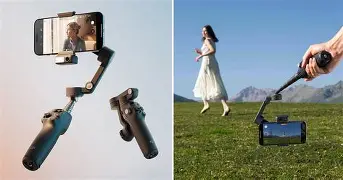
Before comparing performance, it helps to define the products properly. The Dji Osmo Mobile 8 is an accessory. Its job is to stabilize a smartphone using motorized gimbal hardware, helping reduce shake while adding tools like subject tracking, guided movement, and shooting assistance. It does not replace a phone camera; it enhances one.
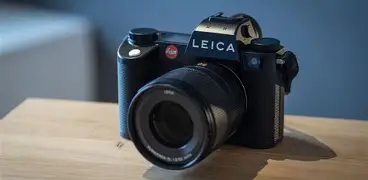
The Sony Xperia 1 Vii is a complete mobile device. Buyers are getting the display, processor, battery, connectivity, storage, software, and camera system all in one package. Its appeal lies in giving users a premium phone experience with strong imaging controls, including features that appeal to creators who want more manual input than most mainstream phones allow.
That distinction shapes the verdict. The Osmo Mobile 8 improves motion handling and shot quality. The Xperia 1 Vii improves the whole mobile experience while also delivering a more ambitious camera toolset.
Dji Osmo Mobile 8 Review: A Better Way to Shoot Moving Video
Design and setup
In day-to-day use, the biggest strength of the Dji Osmo Mobile 8 is how quickly it changes the look of handheld footage. Once a phone is mounted and balanced, walking shots become steadier, pans look more intentional, and quick reframing feels smoother. That makes a noticeable difference for travel videos, school events, city walks, product demos, and casual vlogging.
The folding design makes it easier to carry than a traditional camera rig, though it is still another object to pack. It is not something every buyer will want in a pocket at all times, but it slips easily into a small bag or backpack. For weekend trips and day outings, that is manageable. For truly minimalist users, it can still feel like extra gear.
Real-world performance
Where the gimbal earns its place is during motion. Filming while walking through a market, following a child in a park, or capturing a smooth reveal shot of a room are all situations where normal handheld phone footage often looks jittery. The Osmo Mobile 8 reduces that problem immediately. Footage feels calmer and more deliberate, which is exactly what buyers typically want when they say they want “better video.”
Tracking features are also useful in practice. Solo creators recording themselves can keep their face framed while moving. Small business owners shooting short social clips can set the phone up and let the gimbal assist with framing. Fitness instructors, teachers, and presenters may also appreciate the ability to move naturally without constantly checking whether they have drifted out of shot.
Battery life during testing proved practical for long sessions, especially compared with relying only on a phone’s own stabilization and screen-on time. The gimbal itself can generally last through extended use, though the phone mounted on it may become the limiting factor during heavy video recording.
Who benefits most
The Osmo Mobile 8 makes the most sense for users who already own a decent smartphone camera and mainly want more polished movement. A mid-range or flagship phone paired with a competent gimbal can produce results that feel far more cinematic than phone-only shooting. For social media creators, parents, travelers, and hobbyists, that can be a better value than replacing an entire phone.
Where it falls short
The obvious drawback is that the Osmo Mobile 8 does not improve sensor quality, zoom quality, low-light image capture, or display quality. If a phone has weak cameras, the gimbal cannot solve that. It stabilizes footage, but it cannot invent detail or dynamic range that the camera hardware never captured.
It also adds friction. Quick filming with a phone alone is always faster than mounting a phone to a stabilizer, launching the app, and managing another battery-powered device. Buyers who mostly shoot spontaneous moments may appreciate the results but use it less often than expected.
Find top-rated Mobile Phones products at great prices.
Shop Amazon →Sony Xperia 1 Vii Review: A Premium Phone for Buyers Who Care About Imaging
Design, display, and daily use
The Sony Xperia 1 Vii approaches mobile creation from the opposite direction. Instead of adding stabilization to an existing phone, it tries to be the phone that serious users want to carry every day. In testing, that matters more than it may seem on paper. Because it is the device already in hand, it is always ready. There is no setup beyond opening the camera app and shooting.
The display is one of the Xperia’s standout strengths. A sharp, high-quality screen helps with framing, playback, and editing on the go. Buyers who review footage immediately after shooting will appreciate the detail and color quality. For people who post short videos directly from their phone, that better screen can make the workflow feel more dependable.
As a phone, the Xperia 1 Vii also brings all the benefits buyers expect from a flagship: strong performance, fast app handling, premium build quality, and the everyday convenience of having communication, navigation, editing, and capture in one device.
Camera experience
The reason to consider the Xperia 1 Vii over a more mainstream flagship is the camera philosophy. Sony tends to cater to users who want more control, and that becomes clear in use. The camera experience feels more deliberate and less automated than many competing smartphones. That can be excellent for enthusiasts who understand exposure, frame rates, focus behavior, and lens choice.
In daylight, the Xperia performs well for detail, contrast, and natural-looking color. It is particularly appealing to users who dislike overly processed smartphone images. For video, it gives creators more room to shape the shot instead of relying entirely on computational choices made by the phone.
This is useful in practical scenarios. Someone filming a short interview clip, a musician capturing performance footage, or a traveler recording scenic sequences may prefer the Xperia’s more creator-oriented tools. It can also suit journalists and documentary-style shooters who want a phone that feels closer to a camera in operation.
Where it stands out in the real world
The Xperia’s biggest advantage is convenience blended with capability. It is always with the user. That means few…It also handles the complete content pipeline better than a gimbal can. The user can shoot, trim, upload, message, navigate, and edit from the same device. For professionals and enthusiasts who work on the move, that integrated experience has real value.
Where it falls short
Even a very capable phone cannot fully replicate the smooth, floating look of a dedicated motorized gimbal during movement-heavy shooting. Electronic and optical stabilization help, but they do not replace a three-axis stabilizer for walking shots or complex motion. Buyers who prioritize cinematic movement may still want a gimbal even with a phone as advanced as the Xperia.
Price is another issue. The Xperia 1 Vii sits in premium territory, which makes it harder to justify if the buyer’s current phone is still working well. If the goal is simply to improve video smoothness, it is a far more expensive route than adding a gimbal to an existing device.
Head-to-Head: Which Is Better for What Buyers Actually Care About?
Video smoothness
Winner: Dji Osmo Mobile 8
For walking footage, moving shots, and stabilized pans, the Osmo Mobile 8 wins clearly. It gives footage a more professional feel with less shake and less visual distraction.
Camera quality and flexibility
Winner: Sony Xperia 1 Vii
The Xperia is the stronger overall imaging device because it includes the camera hardware, lens setup, and creator-focused software. It does more than stabilize; it captures, previews, edits, and shares.
Discover deals on Mobile Phones — updated daily.
View Offers →Ease of carrying every day
Winner: Sony Xperia 1 Vii
A phone is easier to carry than a phone plus a gimbal. The best gear is often the gear that is already in hand, and the Xperia benefits from that reality.
Value for someone who already owns a good phone
Winner: Dji Osmo Mobile 8
If the current phone camera is already decent, adding stabilization is often the more cost-effective upgrade path.
Best for creators who want manual control
Winner: Sony Xperia 1 Vii
Manual shooting options and a more camera-like approach make the Xperia the better fit for enthusiasts and mobile filmmakers who want to shape the image themselves.
Pros & Cons
Dji Osmo Mobile 8 Pros
- Excellent stabilization for walking shots, pans, and moving video.
- Improves almost any decent smartphone camera without requiring a phone upgrade.
- Useful tracking features for solo creators, presenters, and vloggers.
- Good value compared with buying a new flagship phone.
- Helpful for travel and events where smoother footage makes memories look more polished.
Dji Osmo Mobile 8 Cons
- Requires carrying extra gear, which some users may find inconvenient.
- Does not improve core camera hardware such as low-light performance or zoom quality.
- Adds setup time before filming spontaneous moments.
- Depends on app integration for some advanced features.
Sony Xperia 1 Vii Pros
- Premium all-in-one device for communication, capture, editing, and sharing.
- Strong camera tools for users who want more creative control.
- High-quality display that helps with framing and playback.
- Always available because it is the user’s everyday phone.
- Better overall versatility than a single-purpose accessory.
Sony Xperia 1 Vii Cons
- Premium pricing makes it a major investment.
- Not as smooth as a dedicated gimbal for movement-heavy video.
- Manual features may be too advanced for casual users who want point-and-shoot simplicity.
- Battery drain during prolonged video sessions can still be a concern, as with most flagship phones.
Comparison Table
| Category | Dji Osmo Mobile 8 | Sony Xperia 1 Vii |
|---|---|---|
| Product type | Smartphone gimbal | Flagship Android smartphone |
| Main benefit | Smoother, more cinematic video | High-end phone with advanced camera tools |
| Best for | Existing phone owners who want better motion footage | Buyers seeking one premium device for daily use and content creation |
| Portability | Portable, but still extra gear | More convenient for everyday carry |
| Setup speed | Moderate; phone must be mounted and connected | Very fast; open camera and shoot |
| Video stabilization | Excellent | Good, but not gimbal-level in demanding motion |
| Image quality potential | Depends on the phone being used | Built-in premium camera hardware and software |
| Manual controls | Limited by connected phone and app workflow | Stronger creator-focused controls |
| Value proposition | Strong if user already owns a capable phone | Strong for users needing a premium phone upgrade anyway |
Buying Guide: Which One Should Buyers Choose?
Choose the Dji Osmo Mobile 8 if:
A buyer already has a reasonably good smartphone and is mostly unhappy with shaky footage rather than camera quality itself. This is the ideal buyer for the Osmo Mobile 8. It is particularly well suited to parents filming children, travelers capturing walking tours, agents filming property walkthroughs, teachers making class clips, and creators recording short-form social content.
It also makes sense for buyers on a tighter budget. Spending less on an accessory that meaningfully improves video can be smarter than replacing a perfectly usable phone.
Choose the Sony Xperia 1 Vii if:
A buyer wants a premium phone first and a strong creator device second. The Xperia 1 Vii is the better fit for people whose phone upgrade is already due and who care deeply about display quality, manual camera controls, and having a serious content tool in their pocket at all times.
It is also a stronger choice for users who do not want to manage extra accessories. If convenience matters more than maximum stabilization, the Xperia’s one-device simplicity is hard to beat.
Choose both if mobile video is a serious priority
There is also a practical truth that experienced creators will recognize: these products complement each other well. A high-end camera phone paired with a capable gimbal is often the best mobile filmmaking setup for people who shoot regularly. The Xperia 1 Vii provides the imaging platform, while the Osmo Mobile 8 improves movement and shot polish. Buyers with room in the budget and a genuine interest in video creation may ultimately get the best results from using the two together rather than treating them as strict alternatives.
Questions buyers should ask before deciding
- Is the current phone camera already good enough? If yes, a gimbal may provide the biggest visible improvement.
- Will the user actually carry extra gear? If not, a premium phone is more likely to be used consistently.
- Is smoother motion or better image capture the bigger goal? Motion favors the gimbal; capture quality and flexibility favor the phone.
- Does the buyer prefer automatic simplicity or manual control? Casual users may prefer the easier route, while enthusiasts may appreciate Sony’s deeper tools.
- Is this an accessory purchase or a full phone upgrade decision? That budget difference changes the recommendation significantly.
Final Verdict
So, is the Dji Osmo Mobile 8 better than the Sony Xperia 1 Vii? Not overall—but it is better for a specific kind of buyer. If the goal is to make an existing smartphone shoot smoother, more professional-looking video for everyday content, the Osmo Mobile 8 is the better-value choice and the more dramatic upgrade in motion quality. If the goal is to own a premium smartphone with strong creator features, excellent display quality, and a more serious camera experience built into daily life, the Sony Xperia 1 Vii is the better long-term investment.
In short, the Osmo Mobile 8 is the smarter accessory purchase, while the Xperia 1 Vii is the stronger all-in-one device. The better product depends less on the spec sheet and more on what the buyer actually needs when they press record.