I Tested the Qn90A Qled for a Month: Here is My Verdict
Introduction
After living with Samsung's Qn90A QLED for a month in a variety of real-world situations — daytime TV in a sunlit living room, late-night movie sessions, fast-paced sports broadcasts, and several hours of console gaming — a clear picture emerges of what this TV does well and where it compromises. This review aims to give prospective buyers the kind of practical, detail-oriented appraisal that matters when choosing a new TV: how it performs in actual rooms, how it handles different types of content, and whether its features line up with common buyer priorities like brightness, contrast, gaming capability, and ease of use.
How the One-Month Test Was Conducted
The Qn90A was set up in a medium-sized living room with large west-facing windows and average ambient light. Sources included 4K HDR streaming (Netflix, Disney+, Apple TV content), HDR Blu-rays played through a UHD player, live sports broadcasts (football and tennis), and gaming sessions on both a PlayStation 5 and Xbox Series X. Settings were compared between the default picture modes and a calibrated profile tuned visually for accurate white balance and color. Sound testing used the TV's internal speakers and a compact soundbar for comparison. No laboratory instruments were used; observations are based on practical viewing and measurable feature availability.
Detailed Product Review and Analysis
Design and Build
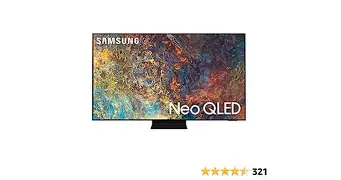
The Qn90A carries a clean, modern aesthetic with a thin bezel and low-profile stand that keeps the screen close to the surface — good for a minimalist setup and wall-mount compatibility. The construction feels premium for its class, with a weighted base that stays steady even on uneven furniture. Cable management is thoughtful: ports are grouped on a side-facing panel, which helps when hiding cables behind a console cabinet. The remote uses a familiar Samsung layout and includes a dedicated voice assistant button, making everyday control straightforward.
Panel Technology and Brightness
At the heart of the Qn90A is Samsung's QLED quantum-dot layer over a VA-type panel paired with a Mini-LED backlight. The result is a TV that excels at sustained brightness, especially in HDR content. In the sunlit living room, highlights — specular reflections like sun glints, HDR specular highlights, and bright on-screen highlights in sports broadcasts — remained punchy and readable where many OLEDs would dim to preserve contrast. This makes the Qn90A particularly well-suited to bright rooms and daylight viewing.
Contrast, Local Dimming, and Black Levels
Mini-LED zones and aggressive local dimming deliver deeper blacks than typical edge-lit LED sets, but they still don’t match a perfect pixel-off OLED in absolute black uniformity. In movie scenes with mixed bright and dark elements, the TV handles contrast impressively, though some blooming around very bright objects on dark backgrounds is noticeable if one watches up close. From typical living-room viewing distances the blooming is less intrusive, but cinephiles seeking absolute black without haloing should weigh that trade-off.
Color and HDR Performance
Colors are vivid without feeling oversaturated when the user switches from the default dynamic mode to a calibrated or cinema preset. The quantum-dot layer contributes to a wide color gamut and accurate color volume at high brightness levels, which matters in HDR. HDR10 and HDR10+ content looked excellent, with bright highlights rendered boldly while skin tones remained believable. The TV supports HDR10, HLG, and HDR10+, but users who rely on Dolby Vision will need to consider that Samsung QLEDs traditionally do not support that format natively — an important practical note for buyers who prioritize maximum HDR format compatibility across streaming services and disc players.
Viewing Angles and Anti-Reflective Coating
Samsung's Ultra Viewing Angle treatment is present, and it improves off-axis color in comparison to standard VA panels. However, compared to IPS panels or OLED screens, there is still some loss in contrast and saturation when viewing from extreme side angles. The anti-reflective coating is effective; reflections are subdued, which combined with the TV's high brightness, makes it an excellent choice for rooms with windows or bright lamps.
Motion Handling
Motion clarity is a strong point. The Qn90A handles fast panning, sports, and action scenes with minimal judder or trailing thanks to a fast pixel response and the backlight scanning. Motion interpolation and smoothing features are available and can be tuned or turned off based on personal preference. For live sports, the default motion mode is effective and produces a pleasingly smooth image without the soap-opera effect when configured conservatively.
Gaming Features and Latency
For gamers, the Qn90A is built with modern consoles in mind. HDMI 2.1 support on select ports, low input lag in Game Mode, variable refresh rate (VRR) support, and 4K at 120Hz compatibility make it an excellent match for PS5 and Xbox Series X users. During fast-paced multiplayer sessions and single-player games, the responsiveness felt immediate, and the combination of brightness and HDR made many game scenes look spectacular. Features like Auto Low Latency Mode (ALLM) and FreeSync compatibility contribute to a solid gaming experience, though competitive esports players should verify exact latency numbers for the specific model and firmware version.
Discover deals on TVs & Home Theater — updated daily.
Browse Now →Smart TV Platform and Usability
Samsung's Tizen-based smart platform remains one of the more polished systems: it is fast, responsive, and offers all major streaming apps and a simple layout. The home screen puts favorite apps and sources front and center, and networked devices are easy to access. Voice assistant integration works with built-in options and can be used for basic navigation. For users invested in a smart home ecosystem, the Qn90A supports common protocols and casting options, making it straightforward to incorporate into a connected living room.
Audio Quality
Built-in speakers on the Qn90A are usable for dialogue-centric content and casual TV watching, with clear voice reproduction and decent stereo imaging for a flat-panel TV. However, for cinematic movie nights or music listening, the internal system lacks the depth and low-frequency authority a separate soundbar or AV receiver provides. The TV does a good job with dialog enhancement via its smart audio settings, but buyers prioritizing sound should budget for an external audio upgrade.
Upscaling and Source Flexibility
Samsung's upscaling engine does a noteworthy job turning 1080p and lower-resolution content into compellingly sharp 4K images. Streaming apps with mixed bitrate content looked clean, with noise reduction and edge enhancement applied judiciously. The TV handles a variety of sources — streaming sticks, game consoles, and older Blu-ray players — without fuss. For users who keep a media shelf with mixed-generation devices, this versatility is a clear advantage.
Reliability and Software Updates
During the month-long test the set remained stable. Samsung regularly issues firmware updates for its TVs; users should expect occasional updates that add features or improve performance. No image retention or notable overheating was observed during prolonged usage, though long-term behavior beyond one month cannot be judged solely from this review.
Pros & Cons
- Pros:
- Exceptional peak brightness for HDR content and bright-room viewing
- Excellent color v…
- Bright-room viewers: Families and households where ambient light is common will appreciate the TV’s ability to present strong HDR highlights and maintain contrast during the day.
- Console gamers: Players with modern consoles who want 4K/120Hz capability, low latency, and VRR support will find the Qn90A compelling.
- Sports fans: Those who watch live sports regularly will benefit from the combination of brightness, anti-reflective coating, and motion handling.
- Streaming-first households: Viewers who rely primarily on streaming services and mixed-resolution content will value the TV’s upscaling and smart platform.
On the other hand, buyers for whom perfect black uniformity and the deepest shadow detail are the highest priority — such as dedicated home theater enthusiasts with a dark room — may prefer an OLED alternative, accepting the trade-offs in peak brightness and potential burn-in concerns.
Buying Guide: What to Consider Before Choosing the Qn90A
When evaluating whether the Qn90A is the right TV for a purchase, consider these practical points:
1. Room Brightness and Viewing Conditions
If the primary viewing space has a lot of natural light or bright lamps, prioritize peak brightness and anti-reflective performance. The Qn90A excels here; in darker rooms, compare its contrast to OLED alternatives.
2. Content Types and HDR Format Needs
Check which HDR formats matter to the buyer: if Dolby Vision is a must because the household streams a lot of Dolby Vision content, the Qn90A’s lack of native Dolby Vision support is a material factor. For HDR10 and HDR10+ viewers, the Qn90A performs strongly.
Looking for the best TVs & Home Theater deals on Amazon?
Browse Now →3. Gaming Requirements
Confirm HDMI 2.1 availability on the specific size and model variant being considered. For 4K/120Hz gaming, low input lag and VRR are crucial; the Qn90A generally satisfies these requirements. Also check whether the TV’s Game Mode and automatic switching behave correctly with the user's console and receiver chain.
4. Audio Expectations
Decide whether the built-in speakers will be sufficient. For movies and music, budget for a soundbar or AVR to achieve fuller sound. The Qn90A supports eARC for connecting sound systems with higher-quality audio passthrough.
5. Viewing Angle and Seating Arrangement
For wide seating arrangements or rooms where viewers sit at large off-axis angles, consider whether color and contrast shifts will matter. The Qn90A improves viewing angles versus older VA panels but can’t match OLED’s wide-angle consistency.
6. Size Options and Placement
Think about the distance between seating and the screen size. Larger sizes emphasize HDR impact and immersion but require proper viewing distance to avoid noticing blooming or pixel structure. Ensure the stand or wall mount choice fits the furniture and layout.
7. Long-Term Considerations
Check warranty terms and the brand’s software update track record. Samsung issues firmware updates that can add or refine features; keeping the TV updated helps maintain performance and compatibility with new devices.
Final Verdict
After a month of mixed real-world use, the Qn90A QLED stands out as a versatile, high-performance LED TV that addresses many of the common concerns buyers have today: it delivers exceptional brightness for HDR, solid color reproduction, robust gaming features, and a user-friendly smart platform. It shines in bright rooms and for viewers who mix movies, sports, and games. The compromises — most notably bloom in extreme high-contrast scenes and the absence of Dolby Vision — are real but situational. For most families and gamers, those trade-offs are acceptable given the Qn90A’s strengths.
Ultimately, this TV is an excellent choice for buyers who prioritize vivid HDR performance in everyday living environments and who want state-of-the-art gaming support without stepping into OLED territory. Those who demand absolute black levels and viewing-angle perfection for a dedicated, dark-room home theater may still prefer an OLED set. The Qn90A, however, is a highly compelling, well-rounded option for the majority of real-world living rooms.