Biggest Die Cast 4 Slice Smart Toaster Buying Mistakes (And How to Avoid Them)
The modern kitchen has undergone a dramatic transformation over the last decade, transitioning from a collection of purely mechanical tools to a sophisticated ecosystem of smart appliances. Among these, the Die Cast 4 Slice Smart Toaster stands as a pinnacle of breakfast engineering. It promises consistent browning, motorized convenience, and a durability that plastic counterparts simply cannot match. However, the premium price tag associated with high-end die-cast metal units means that the stakes are higher for the consumer. Many buyers approach the purchase with the same mindset they would use for a twenty-dollar budget model, leading to significant dissatisfaction down the road.
When investing in professional-grade electronics for the countertop, the nuances of thermal retention, sensor accuracy, and internal motorized components become paramount. A toaster is no longer just a box with heating elements; it is a precision instrument designed to handle everything from artisanal sourdough to delicate gluten-free pastries. Understanding the common pitfalls of the buying process is the first step toward ensuring that your morning routine is elevated rather than frustrated. This article explores the most frequent errors made when selecting a Die Cast 4 Slice Smart Toaster and provides a comprehensive guide on how to make a selection that lasts for years.
The Foundations of the Die Cast 4 Slice Smart Toaster
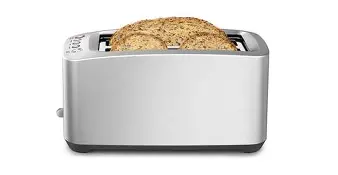
Before diving into the mistakes, it is essential to understand what makes these specific models unique. Unlike traditional toasters that use a manual lever and a simple bimetallic strip timer, a smart die-cast toaster utilizes an integrated circuit to monitor heat and time. The "die cast" aspect refers to the heavy-duty aluminum or zinc alloy used for the exterior casing. This material is chosen for its superior heat dissipation and structural integrity. A 4-slice configuration is the standard for households or individuals who appreciate the versatility of having independent zones for different browning preferences.
Advanced Heating Element Design
Low-end toasters typically rely on thin mica sheets wrapped with nichrome wire. In a premium smart toaster, the heating elements are often spaced more densely and controlled by sensors rather than a simple countdown. This allows the device to adjust the intensity of the heat based on the internal temperature of the toaster, which prevents the second and third batches of toast from being burnt—a phenomenon common in cheaper models where the unit remains hot from the previous cycle.
Motorized Lift Mechanisms
One of the hallmark features of a "smart" die-cast model is the motorized carriage. Instead of a spring-loaded lever that can snap or fail over time, a silent motor gently lowers and raises the bread. This isn't just for show; it allows for features like "Quick Look" or "Lift and Look," where the toaster pauses the cycle to show you the browning progress without resetting the timer or losing heat. If the browning isn't sufficient, the motor lowers it back down to finish the programmed cycle.
Mistake #1: Ignoring the Significance of Thermal Mass
One of the biggest mistakes buyers make is choosing a toaster based solely on aesthetics without considering the weight and material thickness. In the world of high-end electronics, thermal mass refers to the ability of the material to absorb and store heat. Cheap plastic or thin stainless steel shells lose heat rapidly, leading to uneven browning. A true die-cast toaster is heavy for a reason. The thick alloy walls act as an insulator, keeping the heat concentrated on the bread and away from your countertop and hands.
Buyers often complain that their toaster feels "too heavy" or takes up "too much space." In reality, that bulk is what ensures the heating elements don't have to work overtime to compensate for heat loss. When the exterior is substantial, the internal environment remains stable. To avoid this mistake, check the weight specifications. A high-quality 4-slice die-cast model should feel significant—often weighing between 8 and 12 pounds. If it feels light and "tinny," it likely won't provide the professional-grade results you expect.
Mistake #2: Underestimating the Importance of Independent Dual Controls
Many 4-slice toasters on the market are essentially two 2-slice toasters merged into one chassis, but they don't always offer true independence. A common mistake is buying a 4-slice unit that utilizes a single browning dial for all four slots. This is a critical error for families or professional environments where one person might want a lightly toasted bagel while another prefers a dark-crusted piece of whole-grain bread.
Real-world use cases show that a smart toaster is most effective when it features two separate control panels. This allows the left side to run on a "Bagel" setting (which toasts only the cut side) while the right side handles "Defrost" for frozen waffles. Buying a unit without independent controls negates the primary benefit of the larger 4-slice footprint. Always verify that the interface includes two distinct sets of buttons and displays.
Shop the latest Electronics picks on Amazon.
View Offers →Mistake #3: Overlooking Sensor Accuracy vs. Time-Based Logic
The term "Smart" is often used loosely in marketing materials. A major mistake is assuming that every toaster labeled as smart actually uses sensors. Some high-end-looking models are still essentially running on a timer. The problem with timers is they do not account for the moisture content of the bread or the ambient temperature of the toaster. For example, a slice of fresh brioche requires much less time than a dense slice of frozen rye.
A true Die Cast Smart Toaster uses "A Bit More" or "Progress Tracking" logic backed by thermal sensors. These sensors detect if the toaster is already warm from a previous cycle and automatically shorten the toast time to reach the same level of browning. This prevents the "burnt second batch" syndrome. How do you avoid this? Look for models that emphasize "intelligent browning" or "automatic heat adjustment" rather than just "digital timer."
Pros and Cons of the Die Cast 4 Slice Smart Toaster
- Pro: Exceptional Durability – The die-cast construction handles daily wear and tear and resists the warping that can occur with thinner metals over thousands of heat cycles.
- Pro: Consistent Results – Advanced internal sensors and motorized lifts provide a level of repeatability that entry-level toasters cannot match.
- Pro: Versatile Slot Width – These models typically feature extra-wide and deep slots, capable of accommodating hand-cut sourdough, crumpets, and thick bagels without squishing them.
- Pro: Aesthetic Appeal – The brushed or polished alloy finish serves as a focal point in a modern kitchen, often matching professional-grade ranges and refrigerators.
- Pro: Safety Features – Die-cast housings often stay cooler to the touch than thin stainless steel, and smart sensors include automatic shut-off if a jam is detected.
- Con: Higher Initial Investment – The cost of materials and motorized components makes these units significantly more expensive than standard models.
- Con: Weight and Size – The heavy-duty build requires a dedicated space on the counter, as they are not easily moved or stored in small cabinets.
- Con: Power Consumption – Operating four slots simultaneously with high-wattage elements requires a robust electrical circuit and consumes more energy.
Comparison: Smart Die-Cast vs. Traditional Stainless Steel
To better understand the value proposition, consider the following technical comparison between a high-end Smart Die-Cast model and a standard 4-slice stainless steel toaster.
Mistake #5: Disregarding the Sound and Interface feedback
In a smart electronic device, the user interface (UI) matters. Some smart toasters use aggressive, high-pitched beeps to signal the end of a cycle, which can be disruptive in a quiet morning house. Others use LED progress bars that are difficult to see in bright kitchen light. A common mistake is buying for the specs but ignoring the daily experience of interacting with the machine.
The ideal toaster should offer an adjustable alert volume or a pleasant chime. The progress bar should be clear and intuitive—allowing you to see at a glance how much time remains without needing to stand directly over the unit. Before purchasing, read user evaluations specifically regarding the "beep" and the visibility of the countdown timer. These "minor" details become major annoyances after six months of daily use.
Buying Guide: Key Features to Prioritize
When you are ready to make a purchase, use this checklist to ensure you are getting a true Die Cast 4 Slice Smart Toaster that justifies its premium status.
Discover deals on Electronics — updated daily.
See Deals →1. Structural Integrity check
Ensure the description specifically mentions "die-cast" metal. Some brands use plastic with a "metallic finish" or thin stainless steel wraps. A genuine die-cast toaster will have no visible seams on the main body of the chassis and will feel cool and solid to the touch.
2. The "A Bit More" Feature
Premium smart toasters often include a dedicated button for adding exactly 30 seconds of toast time. This is a game-changer for those moments when the bread is just slightly too pale. Without this feature, you are forced to restart a full cycle and manually cancel it, which is the antithesis of a "smart" experience.
3. Crumb Tray Accessibility
Electronics and toasted crumbs are a bad mix. Over time, crumb buildup can interfere with sensors and motorized lifts. Ensure the toaster has dual removable crumb trays that slide out from the front rather than the back. If the trays are difficult to access, you won't clean them, and the lifespan of the toaster will decrease significantly.
4. Bagel and Frozen Logic
Proper bagel logic doesn't just increase the time; it reduces the power to the outer heating elements while increasing it for the inner elements. This ensures the cut side is golden and the rounded side is warm but soft. Likewise, the "Frozen" setting should include a defrost phase followed immediately by a toast phase, controlled by the internal sensor to prevent the outside from burning while the inside is still icy.
Mistake #6: Choosing Brand Name Over Technical Specifications
In the appliance world, heritage brands often trade on their name while outsourcing their electronics to lower-tier manufacturers. A common mistake is buying a die-cast toaster simply because the brand matches your kettle or mixer. While coordination is nice, you must look at the specific electronic warranty and the type of heating elements used. Some "designer" brands use standard nichrome wire while charging triple the price. Prioritize manufacturers that specialize in thermal electronics or professional-grade kitchen gear.
Mistake #7: Not Considering the Ease of Repair
Smart toasters are complex. They have PCB boards, motors, and sensors. A major mistake is treating the toaster as a disposable item. Before buying, check if the brand offers a clear warranty (ideally 2 years for premium models) and if they provide repair services. High-end die-cast units are often designed to be opened and serviced by technicians, whereas budget models are glued or riveted shut. Investing in a brand that supports the "Right to Repair" ensures that a simple motor failure doesn't result in a three-hundred-dollar piece of scrap metal.
Conclusion
Buying a Die Cast 4 Slice Smart Toaster is a significant upgrade for any kitchen, representing a move toward precision and longevity. By avoiding the common mistakes of prioritizing price over thermal mass, ignoring the necessity of independent controls, and overlooking the technical accuracy of sensors, consumers can secure a device that truly enhances their culinary life. The ideal toaster should be heavy, intelligent, and flexible enough to handle the varying demands of a busy household. While it may require a larger upfront investment, the cost-per-use over a decade of perfectly browned toast makes it one of the most practical electronic investments a homeowner can make. Focus on the thickness of the alloy, the sophistication of the motorized lift, and the clarity of the interface, and you will enjoy a seamless breakfast experience for years to come.